Best Golf Courses in Europe
Birthplace of the game
Europe is where golf began. The windswept links of Scotland and Ireland gave the game its fundamental character — playing ground shaped by nature rather than engineering, where ground conditions matter as much as the air game and no two rounds are ever alike.
— Top 10 Rankings
Top 10 Best Golf Courses in Europe
— More Courses
More Courses in Europe
- Calanova Golf Club
- Gleneagles — King's Course
- Golf Club Crans-sur-Sierre
- Golf de Morfontaine
- Kennemer Golf and Country Club
- Kingsbarns Golf Links
- Lahinch Golf Club — Old Course
- Le Golf National — L'Albatros
- Monte Rei Golf and Country Club
- Old Head Golf Links
- PGA Catalunya Resort — Stadium Course
- Portmarnock Golf Club
- Quinta do Lago — South Course
- Royal St George's Golf Club
- Royal Troon Golf Club — Old Course
- Sunningdale Golf Club — Old Course
- Waterville Golf Links
About Golf Courses in Europe
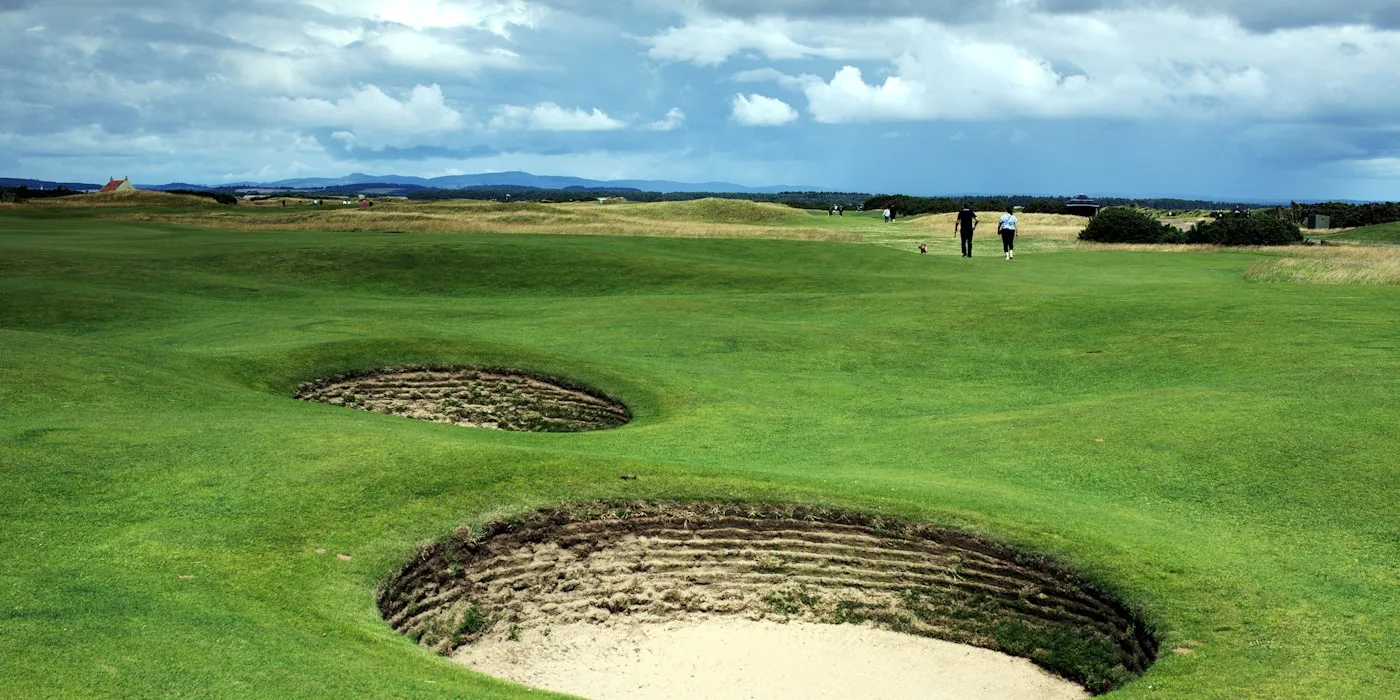
Birthplace of the game. Golf was born on the windswept links of Scotland and Ireland. Europe's finest courses reward strategic thinking over raw power, with bunkers shaped by centuries of wind and rain.
The history of golf in Europe is inseparable from the game's history as a whole. The Old Course at St Andrews has been played continuously since the 15th century; Royal County Down and Muirfield predate the first Open Championship winners by decades. This depth of heritage gives European golf a context that newer golfing nations are still building toward. The British Isles remain the centre of gravity. Scotland offers unparalleled concentration of links courses along its east and west coasts — Fife, Ayrshire, East Lothian, and the Highlands all merit dedicated trips. Ireland has emerged as one of the world's great golf destinations, with Ballybunion, Lahinch, and the newer Cabot Cliffs offering world-class links experiences. Continental Europe — France, Portugal, Spain, and Sweden — provides excellent resort and parkland golf with generally milder conditions. Climate varies significantly across the continent. The Irish and Scottish coasts are playable year-round but genuinely challenging in winter; late spring through early autumn represents the prime window. Southern Spain and Portugal offer warm, dry conditions from October through May, making them the preferred escape when the north is grey. Packing wet-weather gear is non-negotiable for the links experience; it is part of what makes the game here authentic.