Nine Bridges Golf Club
Jeju Island, South Korea
18 Holes · Par 72 · KRW 200–350 · Parkland
— About
About Nine Bridges Golf Club
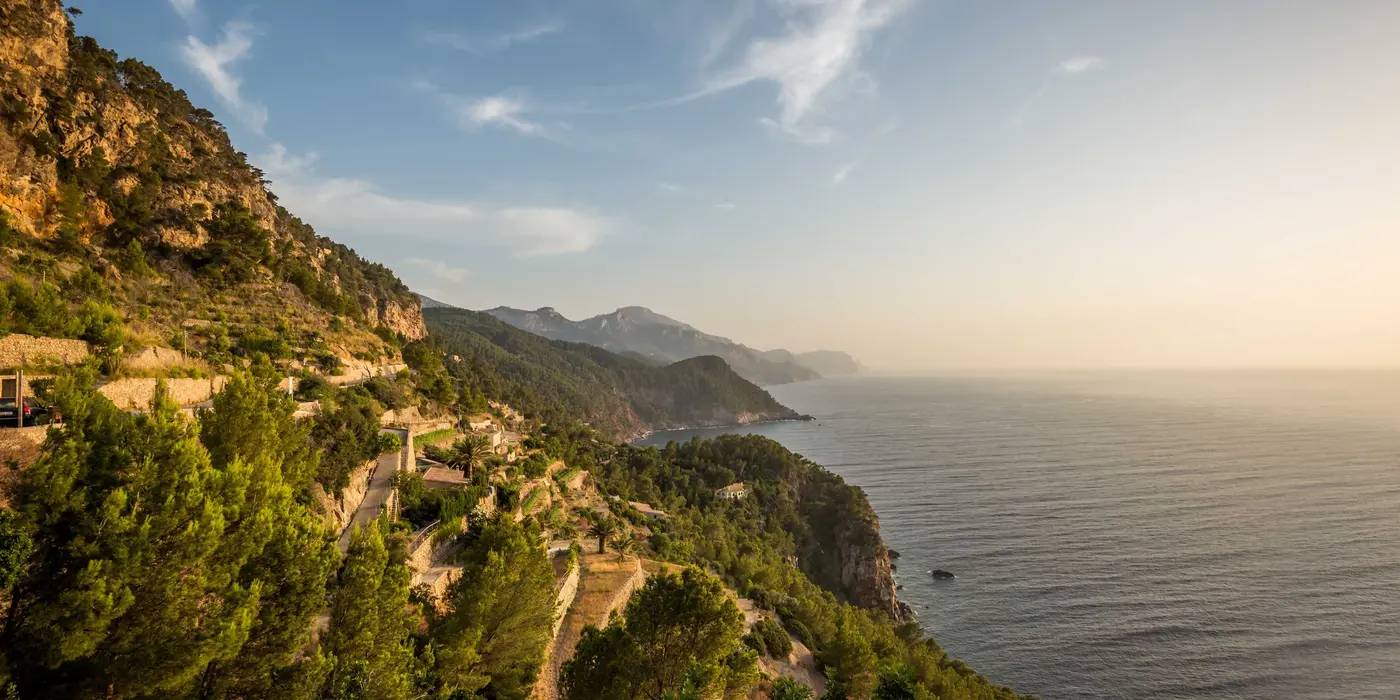
Nine Bridges Golf Club on Jeju Island is South Korea's highest-ranked golf course and one of the finest golf experiences in Asia, occupying volcanic hillside terrain in the mountainous interior of South Korea's premier island destination. Designed by David Dale and Ronald Fream of GolfPlan and opened in 2001, Nine Bridges uses the distinctive geological character of Jeju Island — the volcanic basalt stone walls, ancient pine forests, and dramatic elevation changes created by the island's volcanic origins — to produce a setting unlike any other course in East Asia. The name references the nine stone bridges that are integrated into the course routing, each constructed from the traditional Jeju basalt that defines the island's built landscape. These bridges do not merely cross water features; they connect the distinct sections of the course across the volcanic terrain, creating both practical pathways and visual anchors that ground the design in Jeju's cultural identity. The course is set within a natural amphitheater of Hallasan Mountain, South Korea's highest peak and a dormant volcano that forms the island's dramatic backdrop. Pine forests enclose almost every hole, giving the course an intimate, cathedral-like quality despite the grand mountain setting. The fairways are Zoysia grass, a choice that gives the turf a distinctive look through the seasons, while the bentgrass greens are maintained to championship standards year-round. Nine Bridges achieved international recognition as a venue for the WGC-HSBC Champions event in the early 2000s, one of the most prestigious events outside the four major championships, and continues to be considered the benchmark of Korean golf course quality. Membership is extremely limited, and the club maintains the exclusivity and presentation standards that place it among the top 30 courses in the world.
- South Korea's highest-ranked golf course, set within the volcanic landscape of Jeju Island
- Nine traditional Jeju basalt stone bridges are integrated into the routing, giving the club its name
- Set against the backdrop of Hallasan Mountain, South Korea's highest peak and a dormant volcano
- Pine-enclosed fairways and championship bentgrass greens create a course of exceptional visual beauty
- Former host of the WGC-HSBC Champions, one of the most prestigious events outside the major championships
History
Nine Bridges Golf Club was developed in the late 1990s as part of a broader effort to establish world-class golf infrastructure on Jeju Island, which had been identified by South Korean authorities as a premier leisure and tourism destination. The GolfPlan team of David Dale and Ronald Fream won the commission to design the course, and they spent considerable time studying Jeju's unique volcanic landscape before finalizing a routing that worked with the terrain rather than against it. The club opened in 2001 and within two years was hosting the WGC-HSBC Champions, a World Golf Championships event that brought the world's top-ranked players to Jeju for an international showcase. The event elevated Nine Bridges to global recognition almost immediately. Korea has a passionate golfing culture, and Nine Bridges became a benchmark for what Korean private golf clubs could achieve in terms of conditioning, presentation, and design quality. The club's limited membership and strict access controls have maintained its prestige over two decades, and continued investment in course maintenance has kept it competitive with any course in the region.
Signature Holes
The par-3 12th hole is Nine Bridges' most celebrated — a mid-length iron shot across a ravine to a green framed entirely by ancient pines and volcanic basalt stone walls, with the distant silhouette of Hallasan Mountain visible above the treeline. The carry demands precision without excessive length, but the green's subtle contours punish any approach that misses the correct level. The par-5 18th provides a memorable conclusion, sweeping downhill through a corridor of pines with one of the basalt stone bridges crossing a stream in the fairway landing area. The approach to the amphitheater-style 18th green, with the clubhouse rising above the putting surface, creates a finishing image that stays in the memory long after the round.
Best Time to Visit
Jeju Island has a subtropical climate and remains playable for most of the year. The ideal months for golf are April through June and September through November, when temperatures are moderate and rainfall is lower. July and August bring the warm and occasionally wet monsoon season, though play continues with minor interruptions. Winters on Jeju are mild compared to mainland Korea, with temperatures rarely dropping below freezing, making January and February rounds possible on most days.
Playing Tips
Nine Bridges is a private members-only club with extremely limited guest access. Visitors typically require an introduction through a Korean corporate membership or business contact. The club mandates caddies for all rounds — caddying is a professional occupation in Korea, and caddies are highly trained and carry two bags at once. Golf carts are standard at Korean courses. Jeju Island is served by regular domestic flights from Seoul's Gimpo and Incheon airports, with the journey taking approximately one hour.
— Current Weather at Nine Bridges Golf Club
Approximate conditions · Updated every 30 min · Open-Meteo
— Facilities
Practical Information
— FAQ
Frequently Asked Questions about Nine Bridges Golf Club
Why is the course called Nine Bridges?
The club takes its name from the nine traditional Jeju basalt stone bridges that are integrated into the course routing, connecting different sections of the layout across the volcanic terrain. These bridges are constructed from the same dark volcanic stone used in Jeju's traditional architecture.
What major events has Nine Bridges hosted?
Nine Bridges hosted the WGC-HSBC Champions, a World Golf Championships event, in the early 2000s, bringing the world's top-ranked players to Jeju Island. The club remains a premier venue for Korean and Asian professional and amateur golf.
How do I get to Nine Bridges Golf Club?
Nine Bridges is located on Jeju Island in South Korea, accessible by regular domestic flights from Seoul's Gimpo Airport (approximately 1 hour) or from Incheon International Airport. The club is in the island's interior near the Hallasan Mountain area.
What is Jeju Island's landscape like for golf?
Jeju is a volcanic island formed by eruptions from the Hallasan mountain. The landscape features basalt rock formations, ancient pine forests, and rolling volcanic hills. Nine Bridges makes extensive use of this unique geology in its design, with stone walls, bridges, and natural contours integrated throughout the course.
Are caddies mandatory at Nine Bridges?
Yes — like virtually all private golf clubs in South Korea, Nine Bridges requires caddies for all rounds. Korean caddies are professionally trained and typically manage two bags simultaneously, providing club recommendations, course management advice, and full green-reading service.
Keep exploring golf courses around the world
More Golf Courses