Cabot Links
Inverness, Nova Scotia, Canada
18 Holes · Par 70 · CAD 225–325 · Links
— About
About Cabot Links
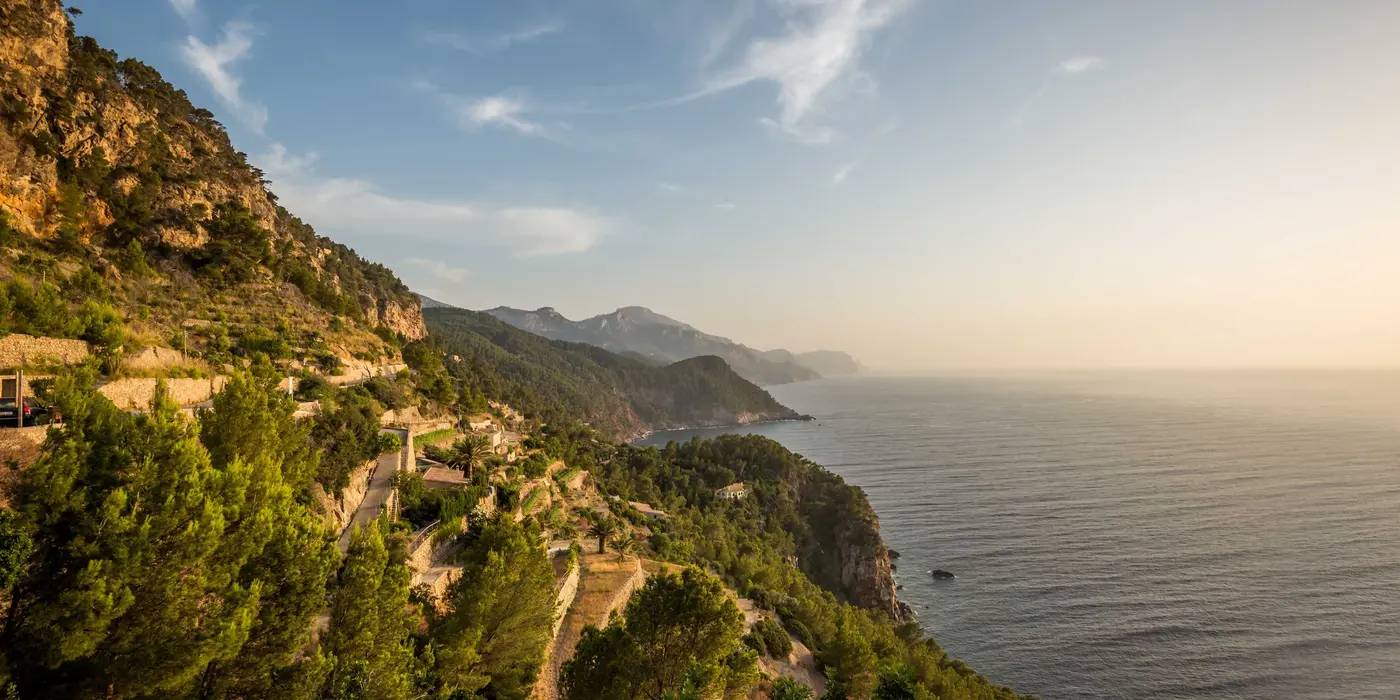
Cabot Links holds a unique and irreplaceable distinction in the history of North American golf: it is the continent's first authentic seaside links course, built in the centuries-old Scottish and Irish tradition where fairways tumble directly to the water's edge. Situated along the Gulf of St Lawrence in the former coal-mining town of Inverness, Nova Scotia, Cabot Links was the inaugural course of the Cabot resort and opened in 2012 to immediate critical acclaim. It was designed by Rod Whitman, a Canadian architect whose patient, minimalist approach proved perfectly matched to the natural gifts of the site. The course wraps around the western edge of Inverness, with nine holes running directly along the Gulf shoreline. Every single hole on the course either touches the water or provides clear views of it, a feat that few layouts in the world can match. The terrain is classically links in character: firm, undulating fairways of fescue grasses, natural rough of coastal grasses and wildflowers, open skies, and the constant presence of salt-tinged wind off the Gulf. Unlike most modern resort courses that are built and manicured to a high degree of artificiality, Cabot Links plays with the same naturalness and raw honesty that defines the great seaside courses of Britain and Ireland. Whitman's routing makes exceptional use of the land's natural contours and the varying relationships between the course and the shoreline. Some holes run parallel to the Gulf with fairways that slope toward the water, tempting players to feed their drives down the oceanside. Others turn inland across gently rolling ground before swinging back to the water for a green complex perched near the shore. The par-70 format — with four par 3s and four par 5s — creates an interesting rhythm and allows for longer par 5s that play with the prevailing winds. The greens at Cabot Links are designed to reward traditional links shot-making. They are moderately sized but firmly contoured, favouring the running approach over the aerial attack. Players who think creatively — playing bump-and-run shots, using the slopes around greens as backstops, allowing the wind to shape trajectory — find the course immensely satisfying. Those who try to apply parkland or American target-golf tactics typically find the course punishing. As the opening act of what became one of the world's premier golf destinations, Cabot Links carries the weight of having changed the perception of Canadian golf on a global scale. It proved that the country could host world-class links golf, and its success directly enabled the creation of its extraordinary sibling course, Cabot Cliffs.
- The first authentic seaside links course in Canada, built along the Gulf of St Lawrence in the true Scottish tradition.
- Every one of the 18 holes either directly touches the Gulf shoreline or offers unobstructed ocean views throughout play.
- Rod Whitman's debut solo design showcases minimalist Canadian architecture at its finest on naturally gifted coastal terrain.
- Firm fescue fairways and contoured greens demand traditional links shot-making including ground-game creativity and wind management.
- The course opened in 2012 and immediately placed Canada on the global golf map, enabling the entire Cabot resort destination.
History
The story of Cabot Links begins with entrepreneur Ben Cowan-Dewar who, in the mid-2000s, identified the coastline near Inverness, Nova Scotia, as ideal terrain for a true seaside links course. The site had formerly been used for light agriculture and a small airstrip along the Gulf of St Lawrence. Cowan-Dewar partnered with Mike Keiser, the American businessman behind Bandon Dunes in Oregon and a passionate advocate for walking, caddie-friendly golf in the Scottish tradition. Rod Whitman, a Canadian architect who had apprenticed under Bill Coore and developed a reputation for sensitive, naturalistic design, was engaged to create the routing. Construction proceeded through 2010 and 2011, with the course opening officially in 2012. Acclaim was swift: Golf Digest named it one of the best new courses in the world, and within a few years it was appearing regularly in the top 30 globally. Its success validated the entire Cabot concept and made possible the commission of Coore and Crenshaw to design Cabot Cliffs on the adjacent clifftop land.
Signature Holes
The most celebrated sequence on Cabot Links runs along the Gulf shoreline in the back nine, where the water is a constant presence on multiple consecutive holes. The par-3 14th is a beautiful short hole that plays directly toward the Gulf, with the green close to the water's edge and the Atlantic horizon behind. The 15th, a mid-length par 4, curves along the shore with the Gulf immediately to the left, requiring a tee shot that must flirt with the beach to set up the best approach angle. The par-5 17th provides one of the most dramatic closing runs, playing along the shoreline back toward the clubhouse. The opener, the par-5 1st, sets the tone immediately with broad links fairways and a clear view down to the water, telling players from the first tee exactly what kind of golf they are about to experience.
Best Time to Visit
The course is open from late May through October, mirroring the season at Cabot Cliffs next door. July and August are warmest and most popular, while September offers the combination of excellent weather, autumnal colours in the surrounding hills, and slightly reduced demand. Early June is worth considering for visitors who want competitive value and a quieter experience, though the weather can be more variable. Wind is a constant at Cabot Links given its open coastal exposure, and morning rounds tend to be calmer than afternoon play when the Gulf breezes strengthen.
Playing Tips
As with all true links courses, local knowledge rewards the visitor enormously. Booking a caddie is strongly advisable, particularly for first-time visitors who will benefit from guidance on wind management, green reading, and the subtleties of approach play. Walking is the preferred mode of play and is in keeping with the course's philosophy. The combination of Cabot Links and Cabot Cliffs in a two-day stay-and-play package is the most popular booking option and represents outstanding value compared to visiting a single course. Bring waterproofs and a windproof layer regardless of the forecast.
— Current Weather at Cabot Links
Approximate conditions · Updated every 30 min · Open-Meteo
— Facilities
Practical Information
— FAQ
Frequently Asked Questions about Cabot Links
Is Cabot Links truly a links course in the traditional sense?
Yes. Cabot Links is widely recognised as the first authentic seaside links in Canada, built on sandy linksland directly adjacent to the Gulf of St Lawrence, with turf, terrain, and conditions that closely match the great links courses of Scotland and Ireland.
How does Cabot Links compare to Cabot Cliffs?
The two courses offer complementary experiences. Cabot Links is a true flat seaside links with a more traditional rhythm, while Cabot Cliffs features dramatic clifftop holes with ocean views. Most visitors rate Cabot Cliffs slightly higher, but Cabot Links is considered exceptional in its own right.
Can I play Cabot Links without staying at the resort?
Yes, day visitors are welcome. However, resort guests receive tee-time booking priority, and during peak season day-visitor slots can be limited. Booking in advance is strongly recommended.
What is the par at Cabot Links and why is it par 70?
Cabot Links plays to a par of 70, with four par 3s and four par 5s among the 18 holes. The par 70 format is a deliberate design choice that creates an interesting mix of hole lengths and allows the longer holes to play with the prevailing winds along the shoreline.
Are caddies available at Cabot Links?
Yes, caddies are available and highly recommended. The caddie programme is a central part of the Cabot Links experience, in keeping with the traditional links golf ethos that inspired the resort's founding philosophy.
Keep exploring golf courses around the world
More Golf Courses