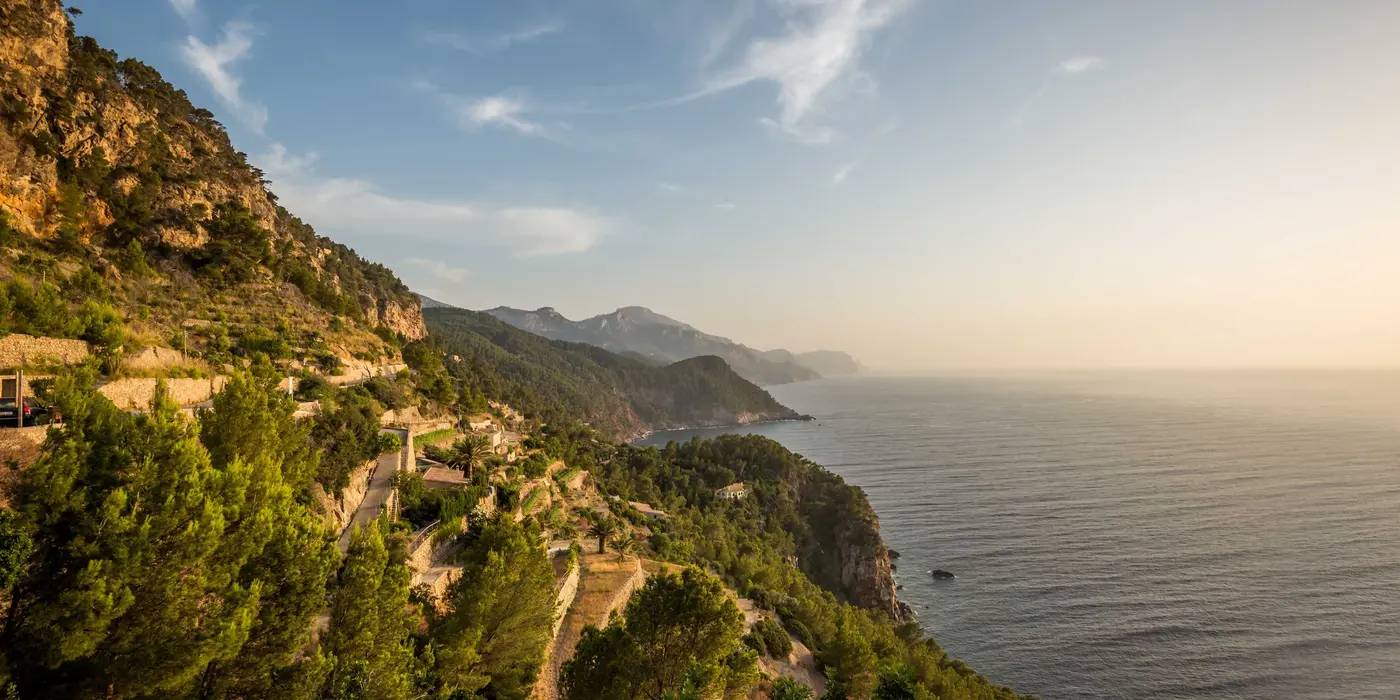
Cabot Cliffs
Inverness, Nova Scotia, Canada
18 Holes · Par 72 · CAD 275–375 · Coastal
— About
About Cabot Cliffs

Cabot Cliffs stands as one of the most dramatic and celebrated golf courses built in the 21st century, perched along the rugged Atlantic coastline of Cape Breton Island in Nova Scotia. Opened in 2016 as the second course at the Cabot resort in Inverness, it immediately entered the top tier of global golf rankings, regularly appearing among the world's top ten courses on virtually every major list. The design by Bill Coore and Ben Crenshaw is widely regarded as the finest work of their distinguished careers, a masterful synthesis of raw coastal landforms and thoughtful strategic architecture. The course occupies a spectacular stretch of the Ceilidh Trail, where ancient Cape Breton Highlands plunge dramatically into the Gulf of St Lawrence. The terrain is extraordinary — broad clifftop plateaus, deep coastal ravines, and natural blowouts combine to create a setting that feels both ancient and elemental. Coore and Crenshaw walked the land for years before committing to a routing, and that patience shows in how organically each hole sits within its environment. Unlike manufactured resort layouts, Cabot Cliffs has the feel of a course that was discovered rather than built. The back nine, particularly holes 14 through 17, delivers one of the most sustained sequences of ocean-side golf anywhere in the world. These holes play along and above the sheer cliffs, exposing players to the full force of Atlantic winds while offering views that stop you mid-swing. Hole 16, a short par 3 with a green perched on the cliff edge, has become one of the most photographed holes in golf. The routing is designed to maximize exposure to the ocean and the prevailing southwest winds, creating a natural second-nine that plays very differently from the morning out. Beyond the spectacle, the course rewards careful, strategic play. Greens complexes are expansive and subtly contoured, demanding precise approach angles. Fairways are generous enough to invite aggressive driving but feed balls toward the best angles rather than the most obvious lines. The turf, a mix of fescues suited to the maritime climate, plays firm and fast when conditions allow, encouraging ground-game creativity in the Scottish tradition. Cabot Cliffs is accessible primarily through the Cabot resort, which offers lodge-style accommodation, a thriving village atmosphere in Inverness, and the complementary Cabot Links course next door. Together the two courses make Cape Breton a legitimate bucket-list golf destination capable of drawing visitors from every continent.
- Holes 14 through 17 run directly along sheer Atlantic cliffs, offering some of the most dramatic ocean-side golf in the world.
- The par-3 16th plays to a green perched on the cliff edge above the Gulf of St Lawrence, a globally iconic hole.
- Bill Coore and Ben Crenshaw spent years walking the site before routing, resulting in holes that feel naturally discovered.
- The course debuted in the world's top 10 rankings immediately upon opening in 2016 and has remained there ever since.
- Firm, fast fescue fairways and expansive contoured greens reward strategic play and ground-game creativity throughout.
History
The Cabot resort traces its origins to 2011 when entrepreneur Ben Cowan-Dewar and businessman Mike Keiser — the visionary behind Bandon Dunes in Oregon — identified the former coal-mining town of Inverness, Nova Scotia, as the site for a world-class golf destination. The first course, Cabot Links, opened in 2012. Keiser and Cowan-Dewar then commissioned Bill Coore and Ben Crenshaw to design a second course on the dramatic cliffside terrain adjacent to Links. Coore and Crenshaw, celebrated for courses at Sand Hills, Friars Head, and Streamsong, made multiple extended visits to Cape Breton before finalising a routing. Construction began in earnest in 2014, with the course soft-opening in 2015 and officially debuting in 2016. The response from the golf world was immediate and emphatic: Golf Magazine ranked Cabot Cliffs among the world's top 10 within its first year, and it has since appeared near the top of virtually every reputable ranking. The opening of Cabot Cliffs cemented Cape Breton Island as a global golf destination and sparked significant investment and tourism growth across the region.
Signature Holes
The course's reputation rests largely on the breathtaking sequence of holes 14 through 17, which hug the Atlantic cliffline. The 14th is a long par 4 that bends left toward the ocean with a green guarded by natural grasses and the sheer drop beyond. The 15th is a demanding par 5 that tempts bold players to attack a green near the cliff in two. The par-3 16th is the course's defining hole and one of the most celebrated short holes in the world: from an elevated tee, players must carry across a plunging coastal ravine to reach a green perched dramatically on the headland, with the Atlantic ocean framing the entire scene. Finally, the 17th turns back inland as a long par 4 with the ocean still visible over the left shoulder, providing an emotionally charged end to the clifftop run before the closing hole brings players home.
Best Time to Visit
Cabot Cliffs is open from late May through late October, with the peak season falling in July and August when weather is most settled and temperatures sit comfortably between 18 and 24 degrees Celsius. September is widely regarded as the finest month to play: crowds thin, the surrounding Cape Breton forest turns brilliant red and gold, and the course is at peak conditioning. Early June can be cool and breezy but offers shorter queues and lower green fees. Atlantic winds are present year-round and can be fierce, particularly on the exposed clifftop holes, so layers are always advisable regardless of the month.
Playing Tips
Caddies are highly recommended and add significantly to the experience on unfamiliar terrain. Booking well in advance is essential; tee times for peak summer dates sell out months ahead. Guests staying at the Cabot resort receive booking priority. Wear soft spikes and layers at all times — the clifftop microclimate can change rapidly. Walking the course is strongly encouraged over using a cart, as the terrain's contours are best appreciated on foot. Playing both Cabot Cliffs and Cabot Links in a single day is possible but demanding; most visitors spread play across two or more days.
— Current Weather at Cabot Cliffs
Approximate conditions · Updated every 30 min · Open-Meteo
— Facilities
Practical Information
— FAQ
Frequently Asked Questions about Cabot Cliffs
Is Cabot Cliffs open to the public or is it private?
Cabot Cliffs is a resort course open to all guests and day visitors. There is no private membership requirement, though resort guests receive tee-time booking priority.
How far in advance should I book a tee time at Cabot Cliffs?
For peak summer dates, bookings three to six months in advance are recommended. The resort opens reservations 12 months out for stay-and-play packages.
Can I walk Cabot Cliffs or is a cart required?
Walking is available and strongly encouraged. Caddies can be arranged and are highly recommended for first-time visitors navigating the dramatic clifftop routing.
What is the closest airport to Cabot Cliffs?
J.A. Douglas McCurdy Sydney Airport (YQY) in Sydney, Nova Scotia, is approximately one hour's drive from Inverness. Halifax Stanfield International Airport is roughly three and a half hours away.
Are there accommodation options at the Cabot resort?
Yes. The resort offers lodge-style rooms, suites, and villa accommodations within the Cabot Links and Cabot Cliffs complex in Inverness. Staying on-site provides early booking access and easy access to both courses.
Keep exploring golf courses around the world
More Golf Courses